Key Takeaways
Key Takeaways
- Prostate cancer begins in the prostate gland and most often grows slowly, though aggressive forms do exist.
- Early-stage prostate cancer frequently causes no symptoms, making routine screening essential for at-risk men.
- Diagnosis typically involves PSA blood tests, physical examination, and biopsy confirmation.
- Treatment ranges from active surveillance to surgery, radiation, and hormone therapy depending on the stage.
- When detected early, prostate cancer has a very high survival rate, with five-year survival near 100% for localized disease.
What Is Prostate Cancer and How Does It Develop
Prostate cancer originates in the prostate gland, a small walnut-shaped organ located below the bladder in men. The prostate produces seminal fluid that nourishes and transports sperm. Cancer develops when cells within this gland begin to grow abnormally and out of control, forming a tumor that can invade surrounding tissue or spread to distant organs.
The vast majority of prostate cancers are adenocarcinomas, meaning they arise from glandular cells that line the prostate. Over time, genetic mutations accumulate within these cells, disrupting normal regulatory mechanisms that control cell division. Some mutations occur spontaneously with age, while others may be inherited or triggered by environmental exposures. Importantly, not all abnormal prostate cell growth is cancerous — some cells may develop into precancerous lesions before progressing to malignancy.
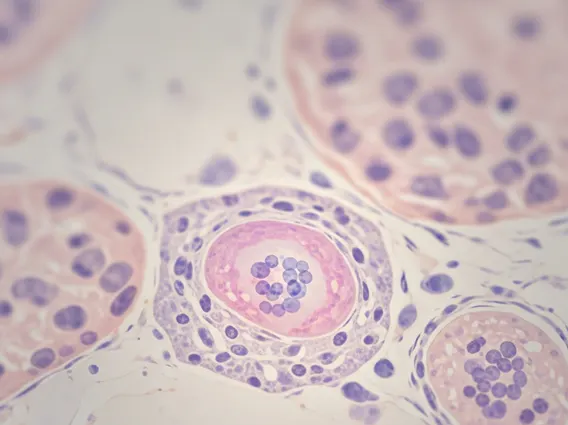
Prostate cancer progression follows a spectrum. Many tumors are low-grade and grow so slowly that they may never cause harm during a patient’s lifetime. Others are high-grade and aggressive, spreading rapidly to lymph nodes, bones, or other organs. The Gleason grading system is the standard tool used by pathologists to assess how abnormal tumor cells appear under a microscope, with higher scores indicating more aggressive disease behavior.
Early Signs, Stages, and Diagnosis of Prostate Cancer
In its earliest stages, prostate cancer often produces no noticeable symptoms, which is why it is frequently discovered through routine screening rather than reported complaints. As the tumor grows, it may begin to affect urinary function. Common early signs include:
- Frequent urination, especially at night
- Weak or interrupted urine flow
- Burning or discomfort during urination
- Blood in the urine or semen
- Discomfort in the pelvic area
- Erectile dysfunction in some cases
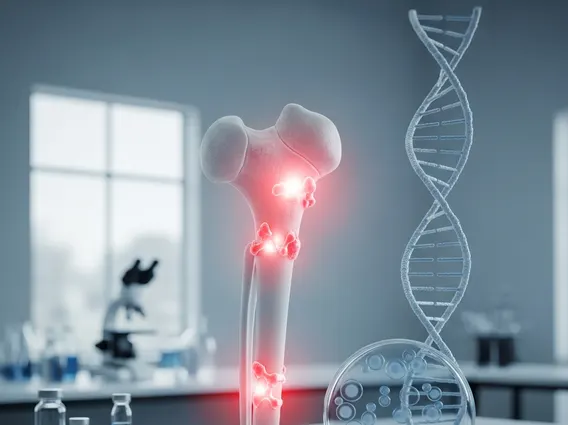
Advanced prostate cancer may cause bone pain, particularly in the spine, hips, or ribs, as well as unexplained weight loss or fatigue. These symptoms appear when cancer has spread beyond the prostate gland itself.
Prostate Cancer Stages and What They Mean
Staging describes how far the cancer has spread and guides treatment decisions. Prostate cancer is staged using the TNM system — Tumor size, lymph Node involvement, and Metastasis — alongside PSA levels and Gleason scores. Stage I and II cancers are localized within the prostate. Stage III indicates the cancer has extended beyond the prostate capsule or into adjacent structures, while Stage IV means it has spread to distant lymph nodes or organs such as the bones or lungs.
Diagnosis Methods
Diagnosis typically begins with a prostate-specific antigen (PSA) blood test. Elevated PSA levels may prompt further investigation, as PSA is a protein produced by both normal and cancerous prostate cells. A digital rectal examination (DRE) allows a physician to physically assess the prostate for abnormalities. If initial findings are suspicious, a prostate biopsy — usually guided by transrectal ultrasound — is performed to obtain tissue samples for pathological analysis. Imaging studies such as MRI or bone scans may be used to determine the extent of disease spread.
Treatment Options, Survival Rates, and Prognosis
The selection of treatment depends on the cancer’s stage, grade, the patient’s age, and overall health. For low-risk, localized prostate cancer, active surveillance — closely monitoring the cancer without immediate intervention — is a widely accepted approach, since many slow-growing tumors do not require treatment for years. This strategy avoids unnecessary side effects while allowing physicians to act if the cancer progresses.
When treatment is indicated, several effective options are available. Radical prostatectomy, the surgical removal of the prostate gland, is commonly performed for localized disease. Radiation therapy, delivered either externally or through internal radioactive seeds (brachytherapy), targets and destroys cancer cells. Hormone therapy, also known as androgen deprivation therapy (ADT), reduces the level of male hormones that fuel prostate cancer growth. For cancers that become resistant to hormone therapy, chemotherapy, immunotherapy, or targeted therapy may be considered.
| Treatment Type | Best Suited For | Key Consideration |
|---|---|---|
| Active Surveillance | Low-risk, localized cancer | Regular monitoring required |
| Radical Prostatectomy | Localized cancer | Surgical risks; possible incontinence or erectile dysfunction |
| Radiation Therapy | Localized or locally advanced cancer | External beam or brachytherapy options |
| Hormone Therapy (ADT) | Advanced or recurrent cancer | May cause fatigue, bone loss, and sexual side effects |
| Chemotherapy | Metastatic or hormone-resistant cancer | Systemic treatment with broader side effects |
Prostate cancer survival rates are among the most encouraging of all cancers when detected early. According to the American Cancer Society, the five-year relative survival rate for localized or regional prostate cancer approaches nearly 100%. Even for distant metastatic disease, the five-year survival rate has improved significantly with modern therapies, reaching approximately 34%. Overall, more than 3.1 million men in the United States alone are living with a prostate cancer diagnosis, reflecting both its prevalence and the effectiveness of current treatments.
Risk Factors, Prevention, and Prostate Cancer vs. Enlarged Prostate
Several well-established factors increase a man’s likelihood of developing prostate cancer. Age is the most significant, with risk rising sharply after age 50. Race and ethnicity also play a role — Black men are at substantially higher risk and are more likely to be diagnosed at younger ages and with more aggressive disease. A family history of prostate cancer, particularly in a first-degree relative, roughly doubles a man’s risk. Inherited mutations in genes such as BRCA1 and BRCA2 are also associated with elevated risk.
Lifestyle and dietary patterns appear to influence risk as well. Diets high in red meat and high-fat dairy products may be associated with increased risk, while diets rich in fruits, vegetables, and omega-3 fatty acids may be protective. Obesity has been linked to more aggressive forms of the disease. Although there is no guaranteed method of prevention, the following prostate cancer prevention tips are widely recommended by healthcare professionals:
- Maintain a healthy weight through regular physical activity.
- Consume a balanced diet emphasizing plant-based foods.
- Limit alcohol consumption and avoid smoking.
- Discuss screening options with a physician starting at age 50, or earlier for high-risk individuals.
The difference between prostate cancer and enlarged prostate is clinically important and often a source of confusion. An enlarged prostate, medically known as benign prostatic hyperplasia (BPH), is a non-cancerous condition in which the prostate grows larger with age. BPH is extremely common and affects more than half of men over the age of 60. Both BPH and prostate cancer can cause similar urinary symptoms — such as frequency, urgency, and weak flow — because of the prostate’s anatomical relationship to the urethra. However, BPH does not increase the risk of prostate cancer and is not a precancerous condition. Accurate diagnosis, including PSA testing and imaging when warranted, is essential to distinguish between the two conditions.
Prostate Cancer FAQs
Localized prostate cancer can often be cured with surgery or radiation therapy, particularly when diagnosed early. For advanced or metastatic disease, treatment focuses on controlling the cancer and prolonging quality of life rather than achieving a complete cure. Long-term remission is possible even in some advanced cases with modern therapies. A specialist can provide individualized prognosis based on staging, Gleason score, and PSA levels.
Most medical guidelines recommend that men discuss screening with their physician at age 50 if they are at average risk. Men at higher risk — including Black men and those with a first-degree relative diagnosed with prostate cancer — should consider beginning these conversations at age 40 to 45. Screening decisions should be individualized, taking into account personal health history, life expectancy, and the patient’s preferences regarding potential risks and benefits.
Prostate cancer does have a hereditary component. Men with a father or brother diagnosed with prostate cancer face approximately twice the average risk. Mutations in genes such as BRCA1, BRCA2, and HOXB13 have been linked to inherited risk. However, most prostate cancers are not caused by inherited genetic factors alone — a combination of genetics, age, and environmental influences typically contributes to its development.